Trade secret cases are often won or lost on contemporaneous evidence. This roundtable focuses on how companies build defensible records before any misappropriation is suspected.

Barbara Fiacco
Partner
Foley Hoag LLP
Trade secret cases are often won or lost on contemporaneous evidence. This roundtable focuses on how companies build defensible records before any misappropriation is suspected.
Mergers and acquisition bring about profound risk for the loss or theft of proprietary information, with he added complications of uncatalogued trade secrets and departing employees with deep process knowledge only increasing these risks. This session will discuss practical strategies that in-house teams are implementing to mitigate these risks and allow for smooth M&A proceedings.
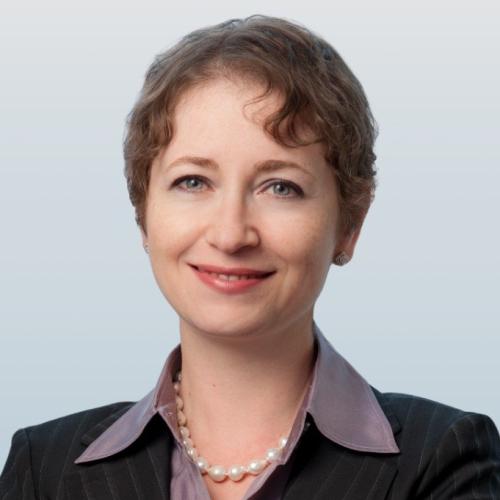
Lana Gladstein currently works as a General Counsel for Seaport Therapeutics. She previously worked at APRINOIA Therapeutics as a Group General Counsel. Lana Gladstein attended Northeastern University School of Law.

Beyond legal risk, trade secret disputes can result in catastrophic knock-on effects throughout a business: they can disrupt operations, drain technical teams, and affect investor confidence for years. This fireside chat looks at how in-house teams manage trade secret litigation when the stakes extend far beyond the courtroom.

Brian D. Walters serves as Executive Vice-President and General Counsel for Matthews International Corporation, Pittsburgh’s oldest company in continuous operation since 1850 and operating in over 25 countries with over 12,000 employees. During his 18-year tenure at Matthews, the Company has more than tripled in annual revenue, now producing approximately $1.8 billion in sales. Brian has directed all legal matters for this publicly-traded corporation both nationally and internationally, as well as serving as a member of Matthews’ executive leadership team. Mr. Walters has led over 75 domestic and foreign acquisition initiatives at Matthews, including extensive experience coordinating strategies to secure transaction approval from the U.S. Federal Trade Commission, managing HSR filings, as well as filings with the competition authority of the European Union.

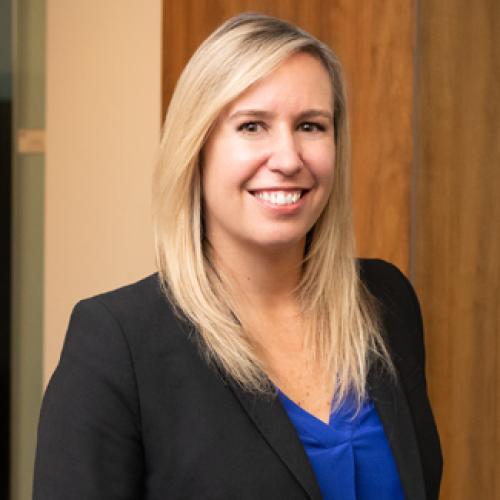
Strategic collaborations are increasingly central to innovation, particularly in life sciences and technology, where companies rely on partnerships for research, development, and manufacturing. This session explores the trade secret considerations that arise across the full lifecycle of a collaboration, from early discussions and deal negotiation to active partnerships and potential disputes.
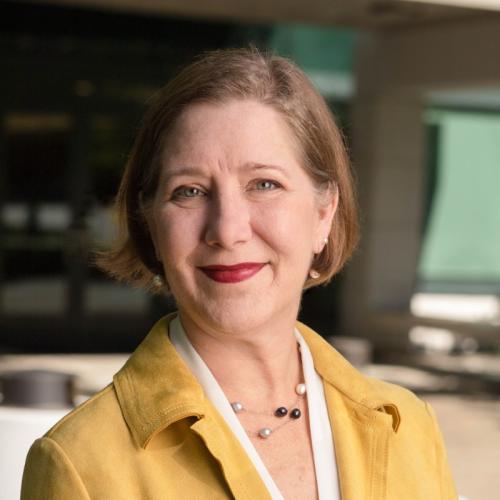
Trade secrets now sit far beyond R&D and the legal team. They run through data systems, manufacturing processes, vendor relationships, AI tools, and everyday employee workflows. As a result, effective trade secret protection increasingly depends on coordination between legal, HR, IT, security, engineering, and operations. This session focuses on how companies are adapting their internal structures to protect trade secrets as they spread across the organisation.


When trade secrets are misappropriated, companies face an early decision that can define the entire outcome of a dispute: whether to pursue civil litigation, seek arbitration, or involve the Department of Justice. This fireside session is led by a senior DOJ official and focuses on how these decisions are made in practice, including what the DOJ looks for when assessing potential trade secret cases and how those considerations should shape in-house strategy from day one.
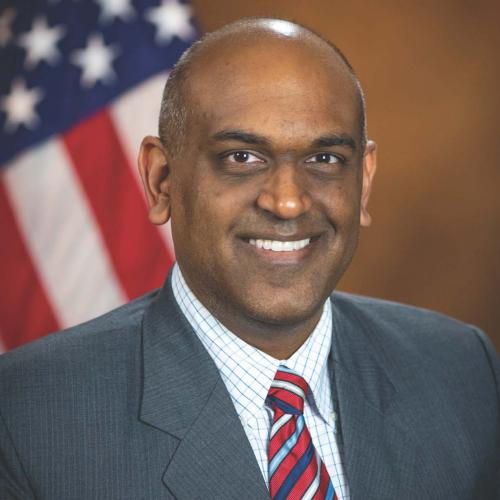
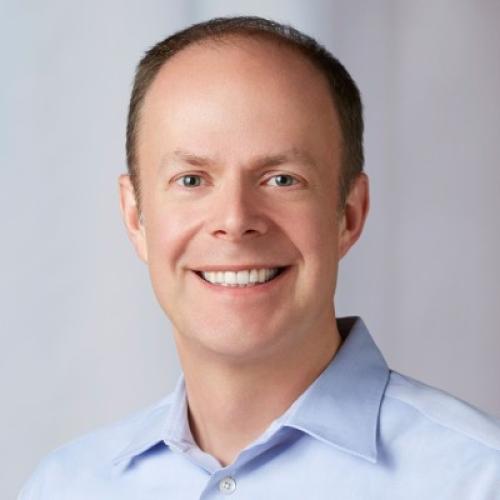
Anand B. Patel is Senior Counsel in the Computer Crime and Intellectual Property Section at the Department of Justice. He investigates and prosecutes trade secrets theft, ransomware attacks, and computer intrusions. Mr. Patel teaches Trade Secrets Law at the George Washington University Law School. Before joining the Department, Mr. Patel spent a decade as an attorney at Paul Hastings LLP, where he handled all facets of disputes involving trade secrets. He previously served as law clerk to the Honorable William Bryson of the U.S. Court of Appeals for the Federal Circuit. Mr. Patel graduated from UVA School of Law and MIT.
Recent decisions show courts putting reverse engineering defences under the spotlight –
increasingly scrutinising how information is obtained, how AI tools are used, and whether access or contractual restrictions were breached. This session brings together a panel of in-house counsel, litigators, and technical experts to explore when reverse engineering defences are useful in practice, and what this means for enforcement and defence strategies.
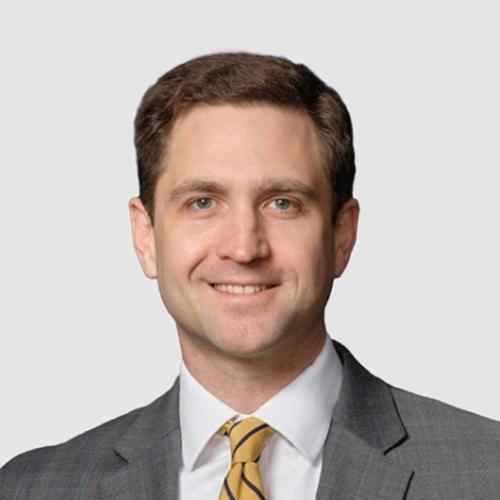
Clint Morrison is a commercial litigator, trial lawyer, and problem solver. A magna cum laude graduate of Harvard Law School who clerked on the U.S. Court of Appeals for the Second Circuit and a former actor who previously worked at a government relations and public affairs firm, Clint brings a unique perspective to his work helping clients find creative, effective solutions to their most complex and consequential challenges.
Clint has extensive trial experience in federal and state courts throughout the country. Last year alone, Clint played a key role in two trial wins: a $2 billion jury verdict in a high-profile trade secrets case between two software companies (the largest verdict in the history of the State of Virginia), and a victory for client Howard University in a bench trial in the Southern District of New York establishing the University’s superior claim of title to a historically significantly work by the renowned artist Charles White.
Clint focuses on complex commercial litigation and litigates cases involving trade secrets and intellectual property, contractual and business disputes, false advertising and unfair competition, and whistleblower claims under the False Claims Act. Clint also maintains an active high-stakes art law practice.
Clint’s approach is to unpack the intellectual legal and factual puzzles in every case, identify the key themes and narratives underlying each dispute, and navigate each stage of a litigation with an eye towards building a compelling, winning case before a judge or jury.
Clint was named to the 2023 and 2024 editions of Best Lawyers®: Ones to Watch, which recognizes outstanding professional excellence in private practice by attorneys who have typically been in practice for up to 10 years. He currently serves as the Secretary of the Federal Bar Council’s Public Service Committee.

Regulatory and government disclosure obligations increasingly require companies to submit highly sensitive technical and commercial information that would otherwise qualify as trade secrets. Join this session to find out how in-house teams manage regulatory compliance without undermining future trade secret protection or litigation position.
2026 marks the tenth anniversary of the enactment of the Defend Trade Secrets Act (DTSA), a landmark act that has brought previously unseen legal recognition and protection of trade secrets within the US. This keynote session will reflect on the progress made over the past ten years, key court decisions that continue to change the direction of trade secret legal protection, and predictions on how trade secret legal protection may continue to evolve.